How Are PVC Patches Made: Step-by-Step Guide
PVC patches are difficult to pass over. They appear daring and are tougher and more durable than normal fabric patches. You will find them on hats, jackets, bags and even on uniforms. Their adaptable rubber-like structure makes them pop up to gain a market advantage in the USA.
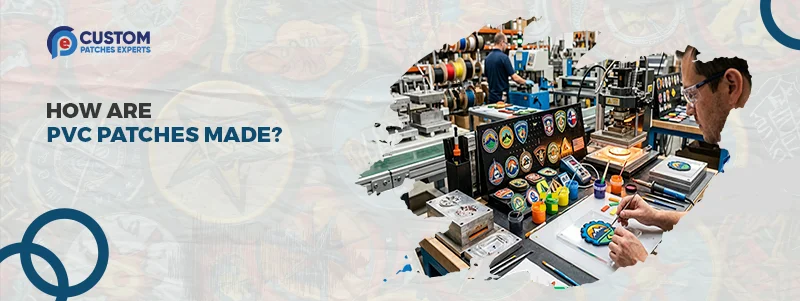
However, have you ever though how they are made? If you’re ordering patches or want to learn how, this 8-minute guide explains the process clearly. No complicated words, only simple steps.
What are PVC Patches?
Polyvinyl chloride is a flexible, rubber-like material used to make PVC patches. They are not embroidered with thread-like patches. Rather, they are cast in liquid substance.
This provides them with a smooth raised appearance and renders them extremely tough. They do not easily tear, do not dry easily, and can work with water without any issue.
Most brands use PVC for products like custom patches for trucker hats. This material can withstand outdoor activities while still looking great.
Order Your Custom Patch Now!
Why Are PVC Patches Popular in the United States?
PVC patches are the reason why they are in demand. Their mix of durability and clean design is hard to beat. They keep their shape and do not fade away.
Colors do not fade away after prolonged use. It is also possible to make finer details without the fear of having loose threads.
To add to that, they can be easily cleaned, thus making them ideal to wear on a daily basis. PVC patches are a good option in case you are interested in something that seems modern and durable.
Step 01: Creating the Design
And all it starts with is your idea. This may be a logo or art or even a sketch. A designer takes the idea and transfers it into a digital format that can be production-ready.
The specifications of size, colors and layers are arranged at this point. The color scheme of your design will be poured into the mold one color at a time, so the design must be cut out.
The most basic and straightforward designs tend to work best. Little things may be lost over the process; hence, it is advisable to keep it clean and readable.
Step 02: Making The Mold
After the design is prepared, there is the creation of the molds. This is the best section of the process, as the mold determines the appearance of your patch.
The mold is designed using metal and sculpted to suit your design. The designers split the design into sections.
This will make it easier to add different colors later. Imagine it as a tray having little compartments of the colors. A properly made mold will guarantee a patch with a sharp edge and clean finish.
Step 03: PVC Material Preparation
PVC is not solid but a liquid. Manufacturers then mix this liquid with color pigments to match your design. The colors are made individually to ensure that they appear correct.
This is necessary because once the material is poured into the mold, the colors should stay the same. This step is important to get the colors correct so that later difficulties are met.
Step 04: Filling The Mold
Now the very patch starts to take form. The PVC liquid is then added into the mold in a single color at a time. Additionally, each layer is put on one after another.
One layer of filling is then heated a little, and then the next layer of filling is added. This happens through a multi-layered effect that creates the well-known 3D look of PVC patches. It serves to preserve the segregation and purity of colors as well.
Step 05: Heating & Curing
Once all the layers are filled, we then subject the mold to a heating process. Here the liquid PVC would be converted into solid rubber.
The material is bonded by the heat, which provides the patch strength and flexibility. The patch is then heated and cooled so that it can maintain its shape. It is this step that makes PVC patches durable and long-lasting.
Step 06: Removing The Patch
On cooling down of the patch, it is removed out of the mold. The complete design is exposed at this stage.
The patch is checked by the workers against any defects such as uneven edges or color defects. When all looks well, it passes on to the second step.
Step 07: Adding The Backing
Next, the patch must have a way to attach it to clothing or gear. You do it by putting a backing on it. There are various choices that can be made for the usage of the patch.
For example, custom iron-on patches come with heat-activated backing. This lets you apply them easily at home.
Uniforms often have Velcro backing. Sew-on backing is better for long-term use. The selection of the appropriate backing will be based on your requirements.
Step 08: Cutting & Finishing
Once the patch has been prepared, it is cut to its final size once the backing is added. The sides are washed to provide it a smooth and clean appearance.
You may think that this step is minor; however, it goes a long way in terms of the patch’s appearance and feel. It appears more professional with a clean finish.
Step 09: Quality Check
A patch is inspected one last time before it is shipped. The team examines the colors, shape, size and general quality.
Any patch that fails to pass the test is eliminated. This is so that only quality products could get to the customer.
Step 10: Packaging and Delivery
Upon acceptance, the patches are packed and are ready to ship. Proper packing ensures that they are safe in delivery until delivery to the destination in perfect condition.
Trustful suppliers also ensure that orders are delivered in time, which is significant to business and events.
Where PVC Patches Are Commonly Used
PVC patches are also effective in use in most settings since they are tough and simple to maintain. They are frequently seen on caps, backpacks, sports uniforms and jackets.
Custom patches for letterman jackets are very popular when a clean, impressive look is needed. The elevated design provides a contemporary feel that is distinctive.
Need Help To Create Custom Patch
Right Now!
Pro-Tips on Achieving the Best Outcomes
In case you are placing an order of PVC patches, minor decisions can make a significant difference. Start with a clear design. Sharp form and text that is legible are ideal.
Select a size that does not make your design monotonous. In addition, select the appropriate backing depending on your usage of the patch.
Work with a supplier focused on quality. They should support you every step of the way. This prevents errors and makes sure that you end up with what you want.
Why Choose Custom Patches Experts?
Not every patch has equal creation. Quality is based on materials, process and detail.
At Custom Patches Experts, you get quality materials, tidy designs, and fast delivery. You can plan your order at your own pace. The team offers a free quote, so there’s no pressure.
You might need patches for your brand, team, or personal use. But you can’t expect the same results if you don’t choose wisely.
Your Next Step Starts Here
PVC patches are an excellent combination of fashion and strength. Designing a patch involves several steps. Each step helps create a patch that looks great and lasts a long time.
You can now make the appropriate decisions when it comes to your next order thanks to knowing how it works. Ready to start? Order your free quote now and bring your design to life with high-quality PVC patches.
CATEGORIES
RECENT POSTS
Get A Custom Quote
Frequently Asked Questions
You can send a logo or an idea, and it is converted into a digital design. It is then designed to make a production mold.
The most common are Velcro, sew-on, and iron-on backing. The most appropriate option will be based on the intended usage of the patch.
Yes, they do work well on hats, jackets and bags. They are also a favorite with branded wear and team wear.
Depending on the design and volume, production normally requires a few days. Most of the suppliers also have fast turnaround.
Yes, PVC patches can be fine-tuned and multi-colored. Nevertheless, plain and uncomplicated designs can be the most attractive.
Testimonials
Jason Miller
I was impressed that everything was smooth. I received my proof the same day.
Amanda Rodriguez
The staff was very friendly to work with. Helped me adjust my design.
Chris Thompson
Pricing was the most affordable. Great quality for the price.
Michael Harris
I needed my custom patches urgently. Delivered on time as promised.
Danielle Brooks
I really appreciate their customer service. Very professional team.
Kevin Walker
The delivery time was better than expected. Well packed patches.
Rachel Carter
Clear communication. Pricing was fair and quality was beyond expectations.
Brandon Lee
My team ordered in bulk, and everything was perfect. Highly recommended.