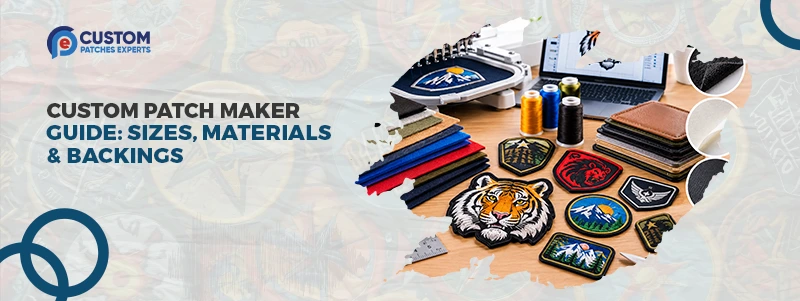
Custom Patch Maker Guide: Sizes, Materials & Backings
A great patch starts with the right choices. The size, material, and backing can change how your patch looks and feels. They can also affect where you can use it. Whether you need patches for jackets, hats, uniforms, bags, or business branding, choosing the right options matters.
A custom patch maker can help you turn your artwork into a patch that fits your needs. But before you place an order, it helps to know the basics. This guide covers patch sizes, materials, backings, and other key details you should consider.
Order Your Custom Patch Now!
What Is A Custom Patch Maker?
A custom patch maker creates patches based on your artwork, logo, text, or design. You can choose the patch shape, size, colors, material, and backing. The patch maker then prepares the artwork for production. If you want a classic stitched look for jackets, hats, or uniforms, consider custom embroidered patches.
Depending on the patch type, the design may be embroidered, woven, printed, or made from materials such as PVC. Custom patches are used by businesses, sports teams, clubs, schools, military groups, motorcycle clubs, and individuals across the USA.
Choosing The Right Patch Size
Patch size is one of the first things to decide. The right size depends on where you plan to place the patch. Small patches work well on caps, shirt pockets, and smaller bags.
Medium patches are often used on jackets, uniforms, backpacks, and workwear. Large patches can work well on the back of jackets or other large surfaces. Think about the available space before choosing a size. Your design also matters. Small text and tiny details may not look clear on a very small patch.
Common Patch Sizes
There is no single size that works for every patch. A patch can be made in many dimensions based on your design and placement. For example, a 2-inch patch can work well for smaller areas. If you want your design to have a raised and eye-catching look, consider 3D embroidered patches.
A 3 to 4-inch patch may give a logo more room to show its details. Larger designs may need a patch that is 5 inches or more. Your patch maker can review the artwork and suggest a practical size.
Embroidered Patches
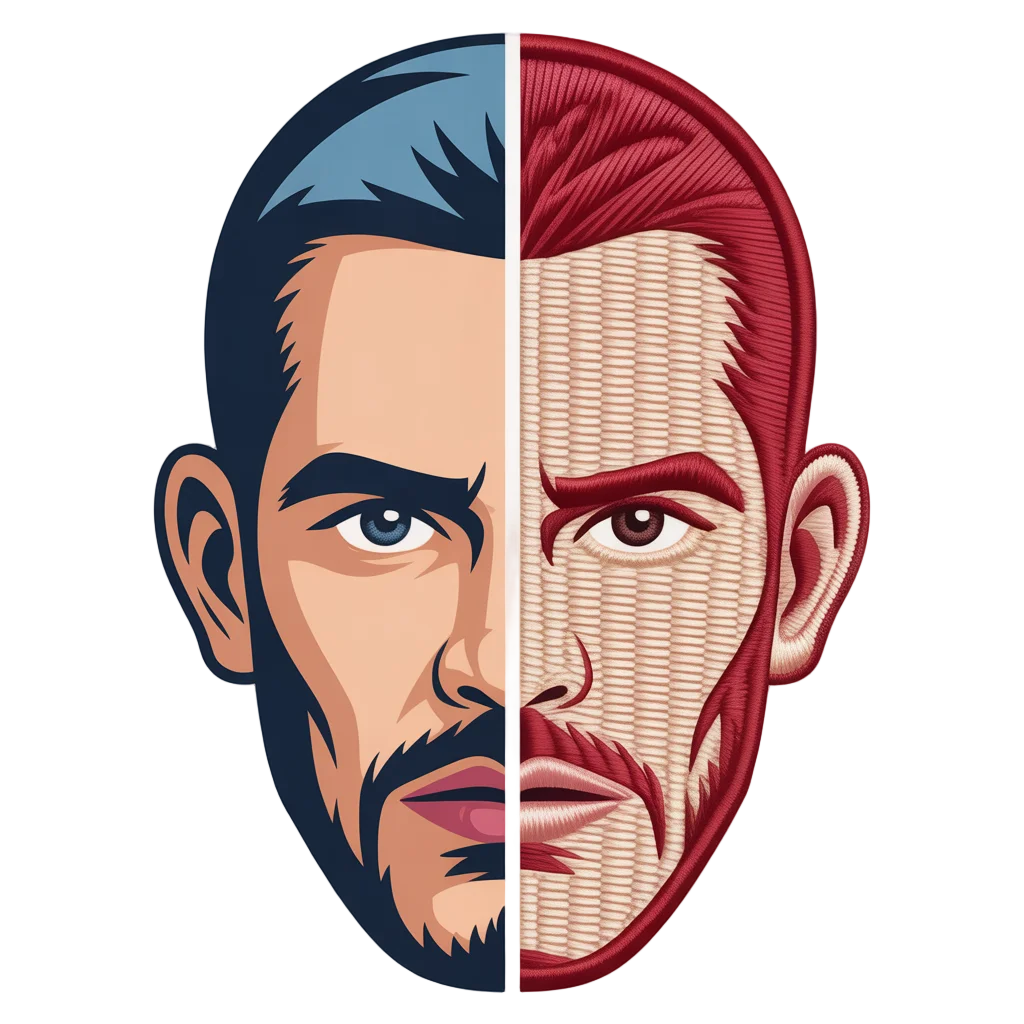
Embroidered patches are one of the most popular patch types. They are made with thread stitched onto a fabric base. The raised thread gives the patch a classic look and feel.
Embroidered patches work well for jackets, uniforms, hats, bags, and team apparel. They are a good choice when you want a traditional patch style. However, very small details may not work well with embroidery. Your artwork may need some changes before production.
Woven Patches
Woven patches use thinner threads than traditional embroidered patches. This allows them to show smaller details and fine text more clearly. The surface is usually flatter and smoother.
Woven patches are a good option for detailed logos, labels, and designs with small lettering. They can be used on clothing, bags, uniforms, and accessories. If your design has fine details that may not work well with thick embroidery thread, woven patches are worth considering.
PVC Patches
PVC patches are made from a flexible plastic material. They have a clean and modern appearance. PVC is also resistant to water and can handle outdoor use well. If you want durable patches for outdoor gear, bags, or workwear, consider custom PVC patches.
These patches are often used on tactical gear, outdoor clothing, backpacks, sports equipment, and workwear. You can choose different thicknesses, colors, and shapes. PVC is a useful option when durability and easy cleaning are important.
Printed Patches
Printed patches use a printed design instead of stitching the artwork with thread. They can show detailed images, gradients, small details, and many colors. This makes them useful for artwork that may be difficult to reproduce with embroidery.
Printed patches can work well for detailed logos, artwork, photos, and colorful designs. If your artwork contains many colors or fine details, ask your patch maker if printed patches are suitable.
Choosing The Right Patch Backing
The backing is the material on the back of the patch. It affects how you attach the patch to clothing, bags, hats, and other items. Different backing options are made for different uses.
Common choices include iron-on, sew-on, adhesive, and hook-and-loop backing. Think about how often you will use the item and whether you want the patch to be removable.
Iron-On Patch Backing
Iron-on backing is designed for easy application. You place the patch on the fabric and use heat to attach it. It is a popular choice for jackets, shirts, uniforms, and bags.
Iron-on patches are convenient because they do not always require sewing. However, heat-sensitive materials may not be suitable. For items that receive heavy use or frequent washing, sewing the patch on can provide extra support.
Need Help To Create Custom Patch
Right Now!
Sew-On Patch Backing
Sew-on backing is a simple and reliable option. The patch is attached directly to the item with thread. It works well for jackets, uniforms, bags, hats, and workwear.
Sew-on patches are also useful when you want a long-term attachment. They can be removed later by cutting the stitching. For heavy-use items, sew-on backing can be a practical choice.
Hook-And-Loop Backing
Hook-and-loop backing allows you to remove and replace your patch. One side is attached to the patch, while the other side is attached to the item.
This type of backing is common for uniforms, tactical gear, bags, and equipment. It is useful when you want to change patches without sewing or ironing a new one each time.
Adhesive Backing
Adhesive backing uses a sticky surface to attach the patch. It is usually better for temporary use. You can use it on certain bags, accessories, displays, and other suitable surfaces.
Adhesive backing may not be the best choice for items that are washed often. Ask your patch maker about the best backing for your intended use.
Choosing The Right Patch Material
Your material should match the purpose of your patch. Embroidered patches are a popular choice for a classic look. Woven patches work well for fine details and small text.
PVC patches are useful for outdoor and heavy-use products. Printed patches are suitable for colorful artwork and detailed images. There is no single best material for every project. The right choice depends on your design, budget, placement, and intended use.
Think About Your Artwork
Your artwork can affect the type of patch you should choose. Simple logos with bold shapes can work well as embroidered patches. Small lettering may look better on a woven patch.
Artwork with gradients or many colors may be better suited to printed patches. PVC can work well for bold shapes and modern designs. Before production, review your artwork carefully. Check the spelling, colors, size, and small details. A clear design can help produce a better-looking final patch.
Choose The Right Patch Shape
Your patch does not have to be a standard rectangle. Common shapes include circles, squares, ovals, shields, and custom outlines. A custom shape can follow the design of your logo or artwork.
For example, a sports logo may look better with a custom outer shape. The shape should also match the surface where you plan to place the patch.
Consider Your Patch Border
A border gives the patch a finished edge. It can also help separate the design from the clothing or item underneath. Common border styles include merrowed and laser-cut edges.
A merrowed border gives many traditional patches a raised finished edge. Laser-cut borders can work well for custom shapes and detailed outlines. Your patch maker can recommend an edge based on your design.
Conclusion
A custom patch is more than just artwork stitched onto fabric. The size, material, backing, shape, and border all affect the final result. Think about where the patch will be used before making your choices.
For a classic look, consider embroidered patches. For fine details, woven patches may be a better fit. For outdoor use, PVC can be a practical option. For colorful and detailed artwork, printed patches may work well. The right custom patch maker can also help you choose options that fit your design and budget.
CATEGORIES
RECENT POSTS
Get A Custom Quote
Frequently Asked Questions
A custom patch maker creates patches from your artwork or design.
The best size depends on your design and where you will place it.
They are patches made with stitched thread on a fabric base.
Yes, woven patches can show fine details and small text clearly.
PVC patches are often used for outdoor gear, bags, and workwear.
It is a patch with heat-activated backing for easy application.
Yes, sew-on patches can provide strong, long-term attachment.
It allows you to remove and replace a patch easily.
Yes, patches can be made in custom shapes based on your design.
Send your artwork, choose your patch options, and request a quote.
Testimonials
Jason Miller
I was impressed that everything was smooth. I received my proof the same day.
Amanda Rodriguez
The staff was very friendly to work with. Helped me adjust my design.
Chris Thompson
Pricing was the most affordable. Great quality for the price.
Michael Harris
I needed my custom patches urgently. Delivered on time as promised.
Danielle Brooks
I really appreciate their customer service. Very professional team.
Kevin Walker
The delivery time was better than expected. Well packed patches.
Rachel Carter
Clear communication. Pricing was fair and quality was beyond expectations.
Brandon Lee
My team ordered in bulk, and everything was perfect. Highly recommended.