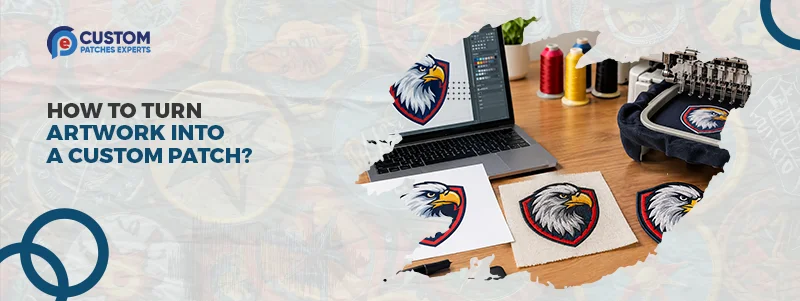
How to Turn Artwork Into a Custom Patch?
Have a logo, drawing, or digital design you love? You can turn it into a custom patch for jackets, uniforms, hats, bags, and more.
The process starts with good artwork and ends with the right patch style, size, colors, and backing. In this guide, you’ll learn how to turn artwork into a custom patch and what to check before sending your design to a patch maker.
Start With High-Quality Artwork
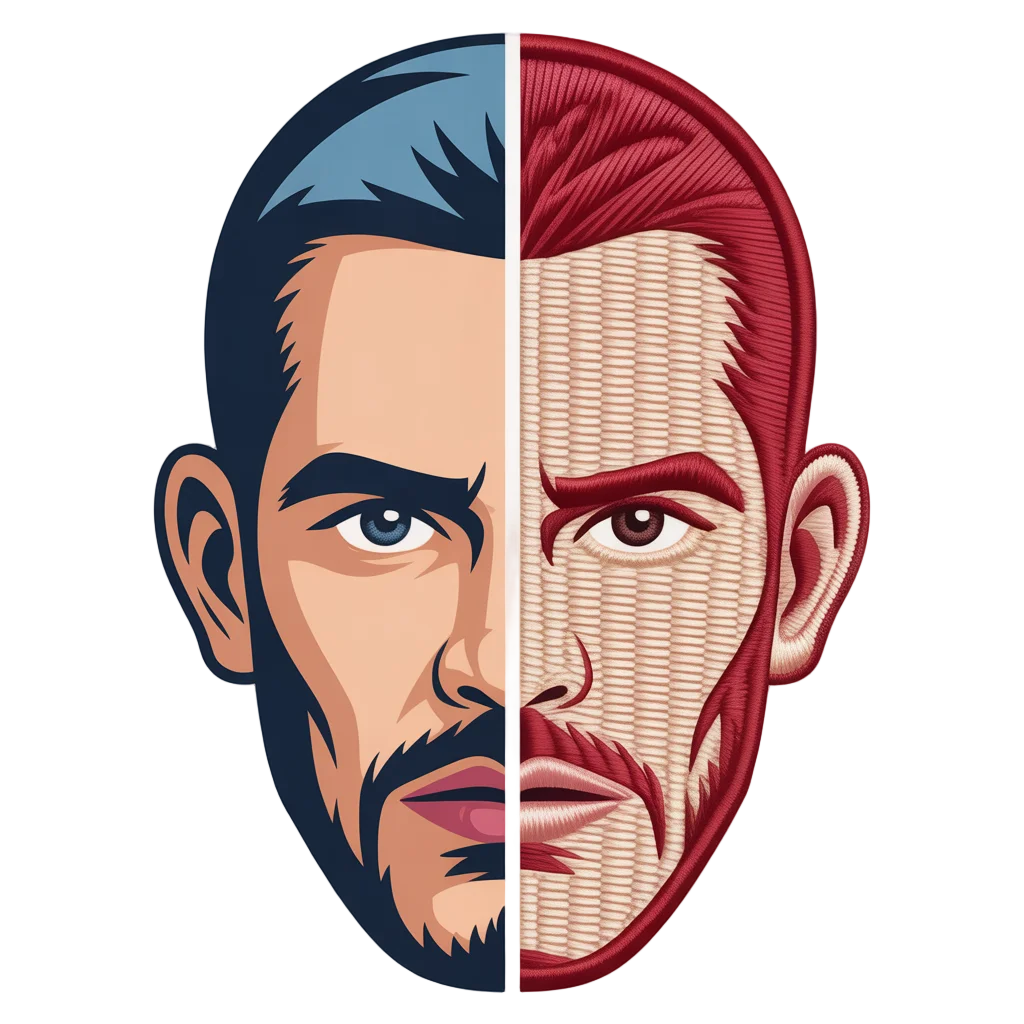
The first step is to check your artwork. A clear design will usually give you better patch results. Vector files such as AI, EPS, and SVG are often preferred because they can be resized without losing quality. If you want detailed artwork with vibrant colors, consider printed embroidered patches.
High-resolution PNG and JPG files can also work. However, blurry or very small images may need editing before production. Make sure your design has clear lines, readable text, and colors that are easy to separate. If you are unsure about your file, a professional patch maker can review it before production.
Choose the Right Patch Style
Your artwork can be made into several types of custom patches. Your choice should depend on the design and how you plan to use the patch.
- Embroidered patches are a popular choice for logos, names, uniforms, clubs, and clothing. They use thread to create a classic stitched look.
- Chenille patches have a soft and raised texture. They are often used for varsity jackets, school teams, sports groups, and bold lettering.
- PVC patches are made from flexible PVC material. They are useful for outdoor gear, bags, hats, uniforms, and other items that need a durable patch.
- Leather patches offer a clean and premium appearance. They work well on jackets, bags, caps, and fashion items.
Simplify Detailed Artwork
A digital design may contain details that are too small for a patch. Tiny text, thin lines, shadows, and small patterns can become unclear during production. This is especially true when the patch is small.
A patch maker may simplify these details while keeping the main look of your design. For example, small text may need to be made larger. Fine lines may also need to be thicker so they remain visible. The goal is not to change your artwork. It is to make sure the important parts remain clear on the finished patch.
Select the Right Patch Size
Patch size can affect how your artwork looks. Think about where you will place the patch before choosing its dimensions. A patch for a baseball cap may need to be smaller than one for the back of a jacket.
Measure the area where you want to place it. Then choose a size that gives your design enough room. If your artwork includes words, make sure the letters are large enough to read. A patch company can also recommend a suitable size after reviewing your design.
Choose a Shape
Custom patches can come in many shapes. Common choices include circles, squares, rectangles, shields, ovals, and custom-cut shapes. If you want fine details and small text, consider custom woven patches.
You can also create a patch that follows the outline of your artwork. This works well for logos, characters, symbols, and unique designs. The right shape can make the patch look more balanced and professional.
Pick Your Colors Carefully
Color is an important part of turning artwork into a patch. Digital artwork may contain gradients, shadows, and many color shades. Depending on the patch type, some of these effects may need to be adjusted.
Choose colors that provide good contrast. For example, dark artwork on a dark background may be difficult to see. If you have specific brand colors, provide the color codes to your patch maker when possible. Before production, review a digital proof to make sure the colors and layout look right.
Select the Right Backing
The backing determines how your patch will attach to clothing or other items. Iron-on backing uses heat to attach the patch to fabric. It is commonly used for jackets, shirts, bags, and other fabric items. Sew-on backing is attached with thread. It is a good option for patches that will receive frequent washing or heavy use.
Hook-and-loop backing lets you remove and replace the patch. It is useful for uniforms, tactical gear, bags, and other items that need interchangeable patches. Choose the backing based on how often you plan to use and wash the item.
Send Your Artwork to a Patch Maker
Once you have selected the patch style, size, shape, colors, and backing, send your artwork to a reliable patch company. The company should review your design before production. This can help identify issues with text, fine details, colors, or sizing.
At Custom Patches Experts, you can submit your artwork and discuss your patch requirements before ordering. The team can help prepare your design for production and suggest a suitable patch option based on your artwork.
Review the Digital Proof
A digital proof gives you a preview of the patch before production. Check the design carefully. Look at the text, colors, shape, size, borders, and overall layout. If you want a casual and rugged look, consider custom denim patches.
If something does not look right, ask for changes before approving the proof. This step is important because it gives you a chance to correct design issues before your patches are made. Once you approve the proof, production can begin.
Need Help To Create Custom Patch
Right Now!
Turn Your Artwork Into a Custom Patch
Turning artwork into a custom patch is easy with the right patch style, size, colors, and backing. Whether you need embroidered, chenille, PVC, or leather patches, your design can become a high-quality patch.
Custom Patches Experts offers quality patches, fast turnaround, and artwork support. Contact us today and get a free quote.
CATEGORIES
RECENT POSTS
Get A Custom Quote
Frequently Asked Questions
Yes, but detailed designs may need minor changes for better results.
AI, EPS, and SVG are ideal. High-resolution PNG and JPG files can also work.
Yes. Logos can be made into embroidered, PVC, chenille, or leather patches.
Cost depends on the size, style, quantity, backing, and design.
Yes, but larger text is easier to read on smaller patches.
Yes. You can select a standard shape or create a custom shape.
Yes. Minor changes can improve clarity and production quality.
Iron-on, sew-on, and hook-and-loop are common options based on your use.
Yes. Review the proof before production to confirm the final design.
Turnaround varies by style, quantity, and design. Ask your patch maker for an estimated time.
Testimonials
Jason Miller
I was impressed that everything was smooth. I received my proof the same day.
Amanda Rodriguez
The staff was very friendly to work with. Helped me adjust my design.
Chris Thompson
Pricing was the most affordable. Great quality for the price.
Michael Harris
I needed my custom patches urgently. Delivered on time as promised.
Danielle Brooks
I really appreciate their customer service. Very professional team.
Kevin Walker
The delivery time was better than expected. Well packed patches.
Rachel Carter
Clear communication. Pricing was fair and quality was beyond expectations.
Brandon Lee
My team ordered in bulk, and everything was perfect. Highly recommended.