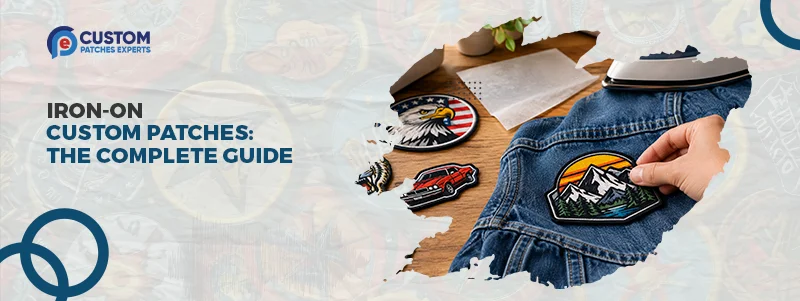
Iron-On Custom Patches: The Complete Guide
Want to add a logo, name, or design to your jacket or uniform? Iron-on custom patches make it easy. They attach with heat, so you can get a clean finish without sewing.
But the right method matters. Too much heat, poor placement, or the wrong fabric can damage the item or cause the patch to peel. This guide explains how iron-on custom patches work, where to use them, how to apply them, and how to care for them.
Order Your Custom Patch Now!
What Are Iron-On Custom Patches?
Iron-on custom patches have a heat-activated adhesive backing. When heat is applied, the adhesive bonds the patch to the fabric. You can create patches with logos, names, artwork, numbers, or other designs.
They are commonly used on jackets, uniforms, shirts, bags, sportswear, and workwear. They are a practical choice when you want to apply custom patches without sewing. If you want a classic and detailed stitched look, consider custom embroidered patches.
How Do Iron-On Patches Work?
The adhesive on the back of the patch reacts to heat. When you press a hot iron over the patch, the adhesive becomes active and sticks to the fabric.
After heating, the patch needs time to cool. As it cools, the adhesive sets and forms a stronger bond. For the best result, always follow the heat and time instructions provided with your patches.
Which Fabrics Can You Use?
Iron-on patches work well on many heat-safe fabrics, including cotton, denim, and canvas. However, some synthetic or heat-sensitive materials may melt, shrink, or become damaged.
Check the garment’s care label before applying a patch. If you are unsure, test the heat on a small hidden area first. This simple step can help protect your garment.
What Do You Need?
Applying an iron-on patch does not require many tools. You usually need:
- An iron
- Your custom patch
- A flat, heat-safe surface
- A thin cotton cloth or pressing sheet
The garment should be clean and completely dry. Wrinkles, dirt, and moisture can affect the adhesive. If you want a bold and textured design, consider custom chenille patches.
How to Apply an Iron-On Custom Patch
- Prepare the garment: Place it on a flat surface and smooth out any wrinkles.
- Position the patch: Place the patch with the adhesive side facing the fabric. Check its position before applying heat.
- Cover the patch: Use a thin cotton cloth or pressing sheet to protect the patch and garment.
- Set the iron: Use the temperature recommended for the patch and fabric. Turn off the steam setting unless instructed otherwise.
- Apply heat: Press the iron firmly over the patch for the recommended time. Do not move it back and forth.
- Heat the full patch: Make sure every part receives enough heat and pressure. For large patches, work section by section.
- Let it cool: Remove the iron and allow the patch to cool completely. Do not move or pull it while warm.
- Check the edges: Once cool, check for loose areas. If an edge lifts, cover it and apply heat again for a few seconds.
Can You Use a Heat Press?
Yes. A heat press is a useful option for applying iron-on patches, especially when you have several garments to decorate. It provides even heat and pressure across the patch.
This can help create consistent results when handling larger orders. The correct temperature, pressure, and pressing time depend on the adhesive and fabric. Always follow the patch supplier’s instructions.
Iron-On vs Sew-On Patches
Iron-on patches are quick and simple to apply. They are suitable for many jackets, bags, uniforms, and casual clothing items. Sew-on patches are attached with thread. They can be a good choice for garments that receive heavy use or frequent washing.
For extra security, some people use both methods. The patch is first attached with heat and then stitched around the edges. Your choice should depend on the fabric, purpose, and amount of wear the item will receive.
Benefits of Iron-On Custom Patches
The main benefit is easy application. You can attach a patch with a household iron without needing sewing skills. They also offer plenty of design options. You can create patches with company logos, names, team designs, badges, or artwork.
Iron-on patches are also useful when several garments need the same design. They can save time compared with hand sewing each patch. They are suitable for businesses, schools, clubs, sports teams, events, workwear, and personal clothing. If you want a durable and premium look, consider custom leather patches.
Where Can You Use Iron-On Patches?
- Jackets: Add logos, names, badges, or decorative designs to denim and other suitable jackets.
- Uniforms: Businesses can use logo patches on work uniforms to create a consistent look.
- Sportswear: Teams and clubs can add names, numbers, or team logos to suitable clothing.
- Bags: Backpacks, canvas bags, and other heat-safe fabric bags can be personalised with custom designs.
- Clothing: Shirts, denim items, and other suitable garments can be given a custom look with patches.
How to Wash Clothing With Iron-On Patches
Proper care can help your patch stay attached for longer.
- Turn the garment inside out before washing.
- Use a gentle wash cycle.
- Avoid very high water temperatures.
- Do not apply harsh cleaning products directly to the patch.
- Follow the garment’s drying instructions.
- Avoid placing a hot iron directly over the patch.
- Use a pressing cloth if the garment needs ironing.
Need Help To Create Custom Patch
Right Now!
How Long Do Iron-On Patches Last?
The lifespan of an iron-on patch depends on its quality, adhesive, fabric, washing routine, and daily use. A quality patch that is applied correctly can stay attached for a long time.
Proper washing can also help maintain its appearance. For workwear, sportswear, or other items that receive heavy use, adding stitching around the edges can provide extra support.
Final Thoughts
Iron-on custom patches are an easy way to personalize clothing, uniforms, jackets, and bags. Choose a suitable fabric, position the patch carefully, and use the correct heat and pressure. Let the patch cool before checking the bond.
Good application and proper care can help your custom patch stay in place and look great for longer. For quality patches, fast turnaround, and support with your order, contact Custom Patches Experts for a free quote.
CATEGORIES
RECENT POSTS
Get A Custom Quote
Frequently Asked Questions
They are patches with heat-activated adhesive that sticks to fabric.
Place it on the fabric and apply heat and pressure with an iron.
Cotton, denim, and canvas are common suitable fabrics.
Yes, a heat press can apply even heat and pressure.
They can last for years with proper application and care.
Yes. Turn the garment inside out and use a gentle wash cycle.
Low heat, poor pressure, or unsuitable fabric can cause peeling.
Yes, they work well on many heat-safe jackets.
Iron-on patches are quicker to apply, while sew-on patches offer extra support.
You can order quality custom patches from Custom Patches Experts.
Testimonials
Jason Miller
I was impressed that everything was smooth. I received my proof the same day.
Amanda Rodriguez
The staff was very friendly to work with. Helped me adjust my design.
Chris Thompson
Pricing was the most affordable. Great quality for the price.
Michael Harris
I needed my custom patches urgently. Delivered on time as promised.
Danielle Brooks
I really appreciate their customer service. Very professional team.
Kevin Walker
The delivery time was better than expected. Well packed patches.
Rachel Carter
Clear communication. Pricing was fair and quality was beyond expectations.
Brandon Lee
My team ordered in bulk, and everything was perfect. Highly recommended.